Following last month's blog on concussion (which can be found here) there have been a few interesting articles popping up over the internet:
Showing posts with label cheerleading. Show all posts
Showing posts with label cheerleading. Show all posts
Wednesday, 6 November 2013

Thursday, 17 October 2013
Concussion in dance and aesthetic sports
Concussion, also referred to as minor traumatic brain injury (mTBI), is an injury more commonly associated with contact sports than with dancing. There has however been an increase in recent years in the number of reported concussions in dancers, and it is necessary for the dance teacher, director, choreographer and dancers themselves to be able to recognise and react to a concussion when it occurs.
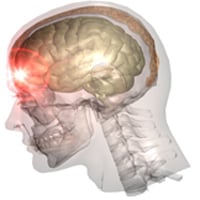
In aesthetic sports such as gymnastics and cheerleading, and in dance related genres such as physical theatre, the reported instances of concussion are significantly higher than in dance, largely due to moves performed while elevated and in performing tricks and stunts. In cheerleading, stunts are responsible for 90% of the concussions suffered by athletes, with the majority of these affecting the bases, rather than the athlete in the air. Across various genres of dance, from street to ballroom to contemporary to lindy-hop, numerous aspects of choreography can pose a risk to dancers if not executed properly. With dance choreography constantly pushing new limits of dancers' physical abilities, and increasingly incorporating tricks and stunts in pieces, it is useful to now consider dance alongside gymnastics and cheerleading as an activity carrying the potential for concussion.
In a wide variety of sports, it has been found that concussion is under-reported, and that athletes go on to perform or compete after sustaining a head injury. It is imperative for the safety of the dancer or athlete that all concussions are recognised and appropriately addressed. Self-reporting of symptoms has been proven to be ineffective at identifying concussion, and so standardised testing procedures should be in place to ensure concussions are identified and appropriately addressed.
Subscribe to:
Posts (Atom)